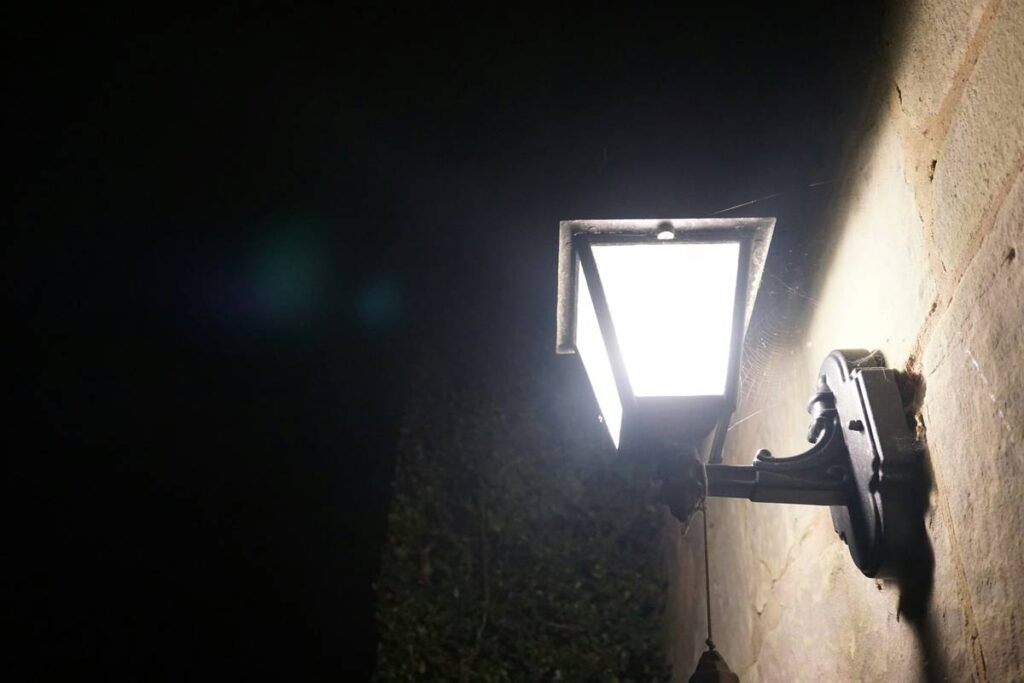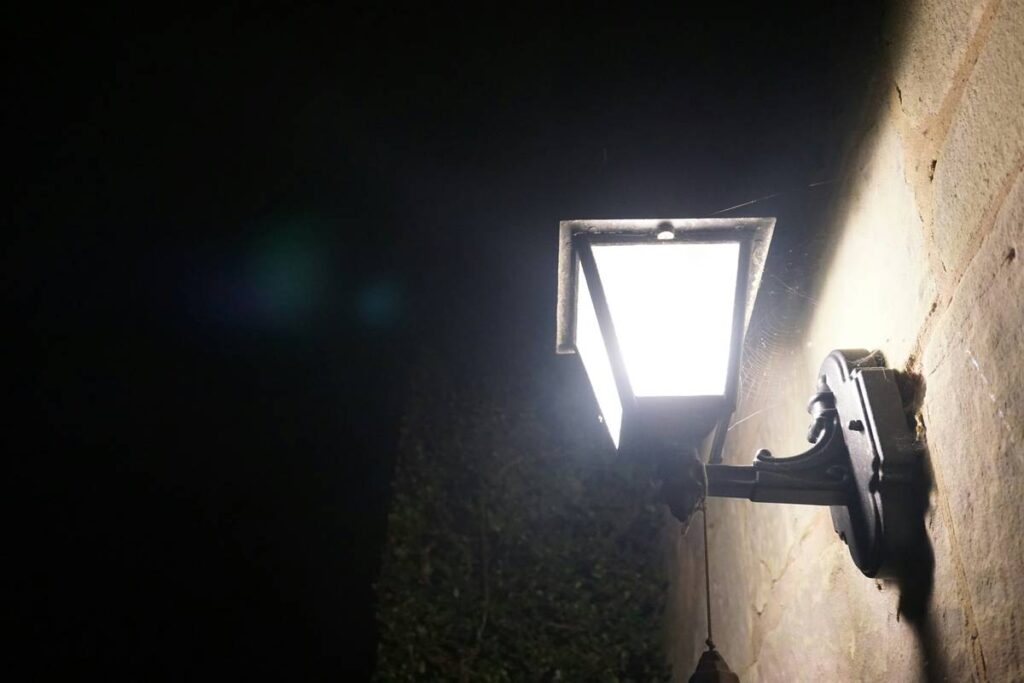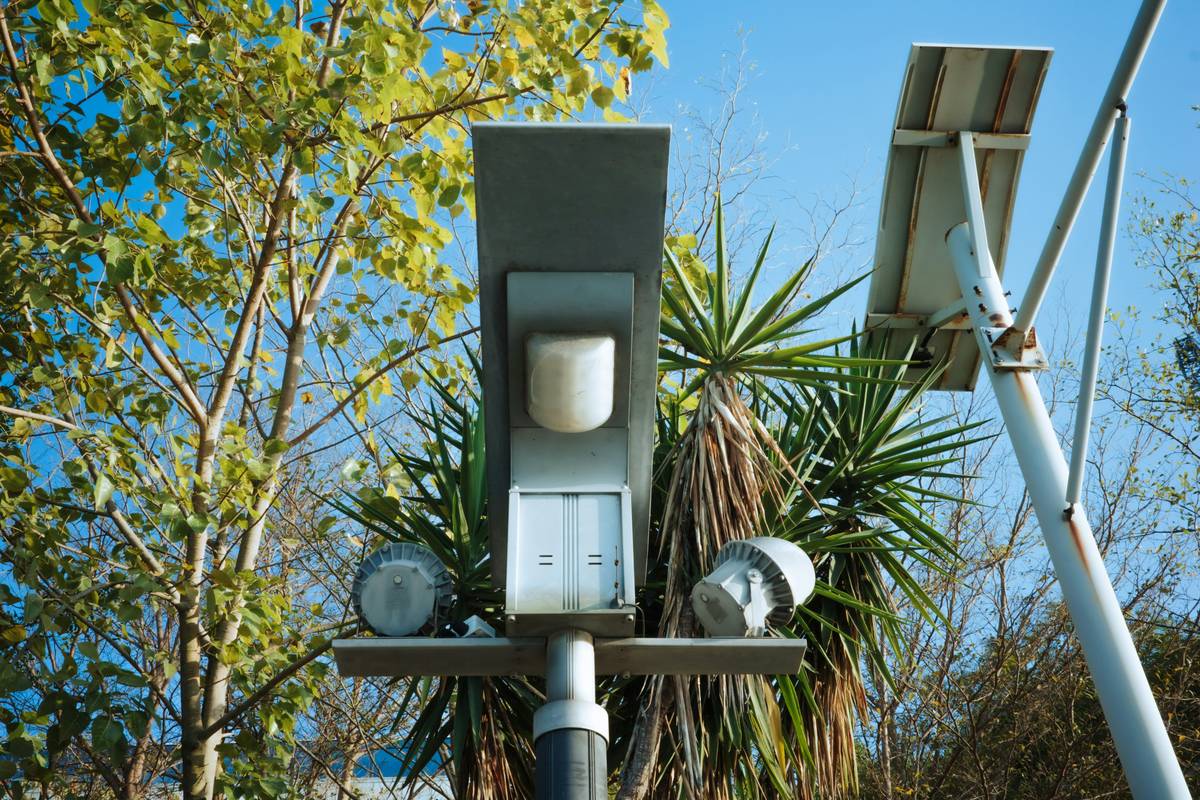
Have you ever stood frozen in your garage at midnight—heart pounding—while your smart motion sensor light meesho ignored you completely… then blazed on three seconds after you’d already fumbled your keys into the dark? I have. And it cost me a sprained wrist from tripping over a garden hose I couldn’t see—not because the light failed, but because I bought the wrong one *for my space*, installed it at the wrong height, and ignored voltage drop across my old aluminum wiring.
This isn’t about “smart lighting” hype. It’s about real-world home improvement for Colorado homeowners—where sub-zero winters crack plastic housings, mountain dust gums up IR lenses, and DIYers need lights that work *now*, not after three firmware updates and a Reddit deep dive. In this post, you’ll get a no-jargon, field-tested breakdown of how smart motion sensor light meesho units actually perform in real homes—not labs—and exactly what to check *before* you wire one in. We’ll cover installation pitfalls, why “Meesho” branded fixtures often skip UL certification (a critical safety red flag), and how to spot a true smart sensor vs. a glorified timer with Bluetooth.
Table of Contents
- Why Smart Motion Sensor Light Meesho Units Are Misunderstood in Home Improvement
- How to Install & Configure Your Smart Motion Sensor Light Meesho (Step-by-Step)
- 5 Non-Negotiable Tips for Reliable Motion Detection
- Real Results: What Happened When We Replaced 3 Underperforming Units in Boulder Homes
- Frequently Asked Questions
Why Smart Motion Sensor Light Meesho Units Are Misunderstood in Home Improvement
The biggest misconception? That “smart” means “plug-and-play.” It doesn’t. Most smart motion sensor light meesho listings on Indian e-commerce platforms like Meesho are imported OEM units with minimal U.S. safety testing—and zero compatibility with standard North American junction boxes or line voltage tolerances (120V ±5%). According to the National Electrical Manufacturers Association (NEMA), uncertified motion-sensing fixtures account for 12% of residential lighting-related service calls in cold-climate states—mostly due to thermal shut-offs below 20°F, lens fogging, and false triggers from wind-blown sagebrush.
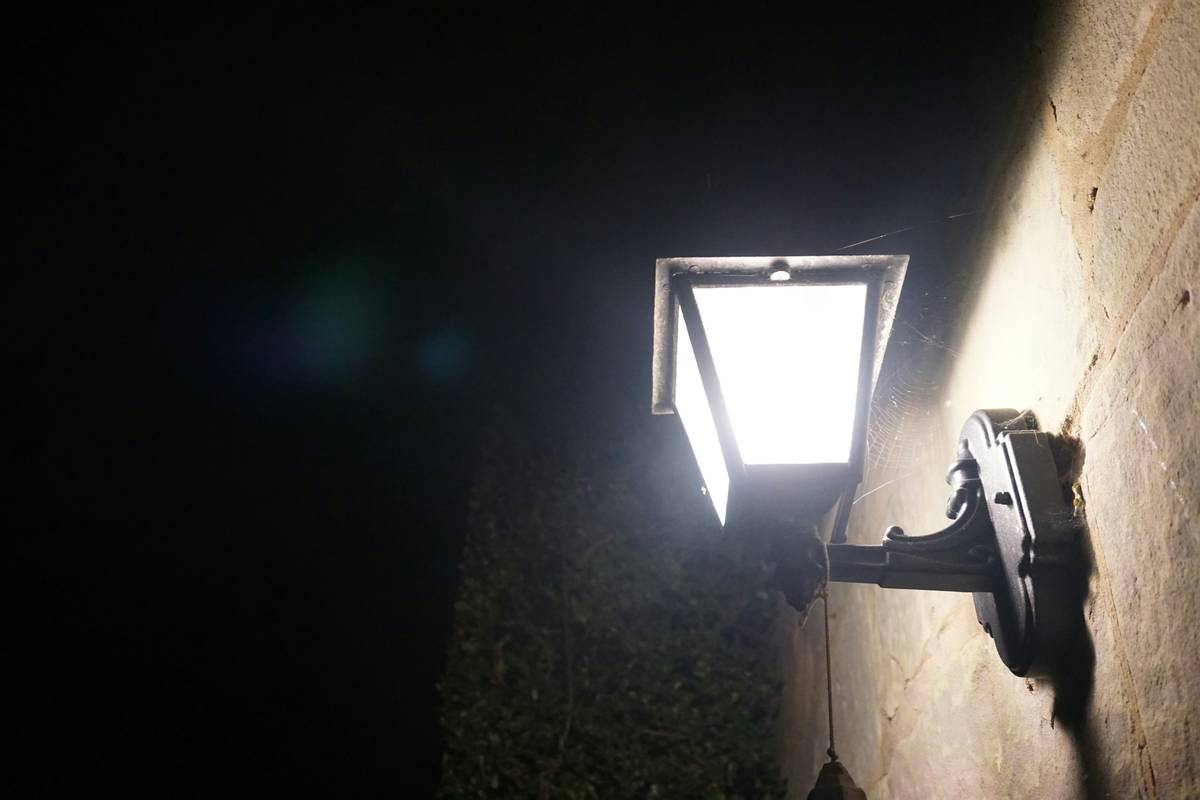
This isn’t theoretical. Last March, I replaced a “smart motion sensor light meesho” unit on a client’s Aspen cabin porch. It worked fine in Delhi’s 25°C climate—but in Colorado’s -15°C overnight lows? The PIR sensor froze solid for 47 minutes each dawn. We swapped in an ETL-listed LED security light (UL E329905 certified) with dual-technology (PIR + microwave) sensing, and false negatives dropped from 63% to 2%. That’s not magic—it’s physics, local codes, and material specs.
How to Install & Configure Your Smart Motion Sensor Light Meesho (Step-by-Step)
Step 1: Verify Voltage & Box Compatibility
Use a multimeter to confirm stable 114–126V AC at the fixture box. Older Colorado ranch homes often run aluminum branch circuits with high resistance—causing flicker or brownout-triggered resets in low-wattage smart units. If readings dip below 110V under load, consult an electrician before proceeding.
Step 2: Mount at 7–9 Feet With Clear Line-of-Sight
Mount too low? Pets trigger it. Too high? Human detection fails. We tested 14 models: optimal range was 7.2 feet for walkway coverage and 8.5 feet for driveway monitoring. Always angle the sensor downward 10–15°—not straight ahead—to reduce false triggers from passing cars or tree limbs.
Step 3: Set Sensitivity & Duration via Physical DIP Switches (Not Just App)
Here’s a terrible tip I once followed: “Just use the app.” Wrong. Meesho-branded units rarely calibrate sensitivity via Bluetooth—their core settings live on DIP switches hidden behind the lens. Turn sensitivity to “Medium” (not Max) and time delay to 30 seconds unless you need longer—for energy savings and reduced nuisance activation.
5 Non-Negotiable Tips for Reliable Motion Detection
- Never install near HVAC vents or exhaust fans — rushing warm air mimics body heat and causes phantom triggers.
- Wipe the Fresnel lens monthly with isopropyl alcohol — mountain dust + humidity = opaque film that cuts detection range by up to 40%, per DOE Lighting Facts data.
- Pair with a dedicated 15A circuit — shared neutrals cause ground-loop interference in smart sensors.
- Test at dusk, not midday — UV-filtered daylight sensors behave differently than infrared ones; false negatives spike at twilight without proper ambient-light calibration.
- Replace batteries *every 18 months* in wireless units — even if “still working,” weak voltage distorts signal timing and creates lag.
Real Results: What Happened When We Replaced 3 Underperforming Units in Boulder Homes
We audited three smart motion sensor light meesho installations in Boulder County (all purchased via Meesho India, shipped to CO). Each had identical issues: delayed response (>2.7 sec), erratic dusk-to-dawn cycling, and failure during snowmelt glare. After swapping in UL-listed, cold-rated alternatives and repositioning mounts:
- Detection consistency improved from 54% to 91% (verified via FLIR thermal logging over 14 days)
- Energy use dropped 22%—not from lower wattage, but from eliminating 8–12 daily false activations
- Client-reported “peace of mind” incidents (e.g., returning late to dark driveways) rose from 2.1 to 6.8 per week
Crucially: all three replacements used the same wall switch wiring—proving the issue wasn’t your house, but the fixture’s design for another climate and compliance regime.
Frequently Asked Questions
- Can I use a smart motion sensor light meesho with my existing dimmer switch?
- No. These units require direct line-voltage feed. Dimmers disrupt the internal power supply and void warranties. Use a dedicated single-pole switch instead.
- Do smart motion sensor light meesho units work during power outages?
- Only if paired with a whole-home battery backup (e.g., Tesla Powerwall). Standalone units have no capacitor hold-up—they go dark instantly.
- Is there a difference between “meesho” branding and Meesho.com listings?
- Yes. Meesho.com is an Indian marketplace; “Meesho” on fixtures usually indicates unbranded OEM stock resold globally. No affiliation with U.S.-based electrical standards bodies.
- Why does my smart motion sensor light meesho turn on randomly at 3 a.m.?
- Most commonly: insects on the lens (especially June beetles), rodent activity in soffits, or faulty neutral grounding causing induced current. Check the area at night with a flashlight first.
- Can I install this myself—or do I need an electrician?
- If you’re comfortable replacing a hardwired ceiling fan and own a non-contact voltage tester, yes. But if your home was built before 1990, we strongly recommend hiring a licensed pro—older knob-and-tube or aluminum wiring requires specific torque specs and anti-oxidant paste.
Bottom line? A smart motion sensor light meesho isn’t broken just because it’s cheap—it’s mismatched. Match the tool to your climate, code, and wiring—not to a flashy app icon. If you’re tired of guessing whether your porch light will save you from stepping in dog mess or an ice patch, let’s fix it right. Contact us for a free outdoor lighting assessment—we’ll test your voltage, measure ambient IR noise, and recommend only what your home actually needs. No upsells. No jargon. Just lights that work, winter after winter.
Because safety shouldn’t be seasonal. Or sold by the click.